Why do polo players wear white trousers?
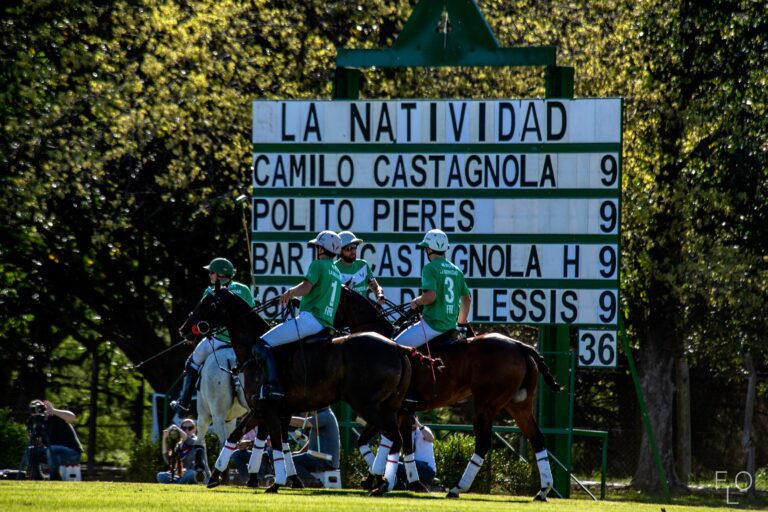
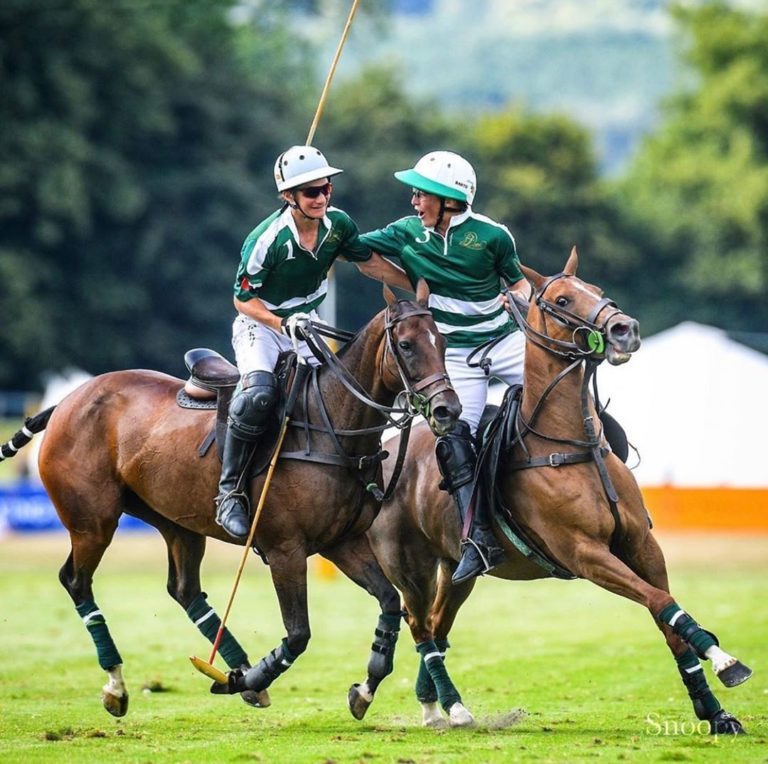
White trousers are one of the most recognizable elements of polo. Their origin is both practical and traditional. Historically, white made players easier to distinguish on the field, especially before the era of technical fabrics and bold team colors. On natural grass fields, lighter colors also helped mask dust and sweat, maintaining a clean, elegant appearance throughout the match. Over time, white trousers became part of polo’s formal dress code, particularly for official tournaments and important matches. Today, wearing white is a sign of respect for the sport’s heritage and its classic aesthetic.
Why do players train in black or navy trousers?
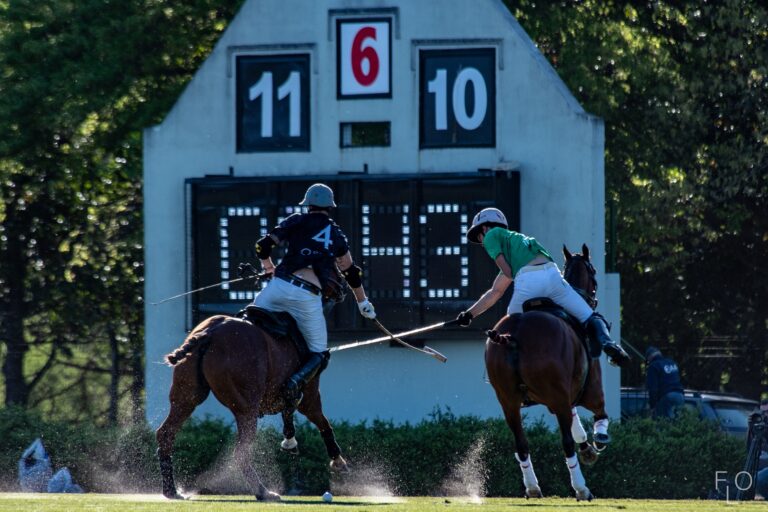
Training is a different environment, and practicality takes priority. Polo players often practice in black, navy, or dark-colored trousers because training involves constant wear and tear. Falls, dirt, sweat, and repeated friction quickly mark light fabrics. Dark trousers are easier to maintain, more durable over time, and better suited for daily work. In practice sessions, formality is unnecessary; comfort, resistance, and freedom of movement matter far more than tradition.
Protection: much more than just a helmet
While the helmet is mandatory and essential, it is only part of a polo player’s protective gear. Polo places continuous stress on joints and exposed areas, which is why additional protection is widely used.
Knee pads are fundamental. Knees are constantly at risk from ball impacts, mallets, horses, and falls. Proper knee protection absorbs shocks and helps prevent both acute injuries and long-term damage. Elbow pads serve a similar purpose, protecting the arms during falls or lateral contact, which is common in fast, competitive play.
Polo boots are another critical element. They are not ordinary riding boots. High-quality polo boots feature triple-layer leather on the inner leg to protect against mallet strikes, stirrups, and repeated contact with the horse. At the same time, they provide ankle support without restricting movement, which is essential for balance and control at speed.
Gloves, goggles, and the details that matter
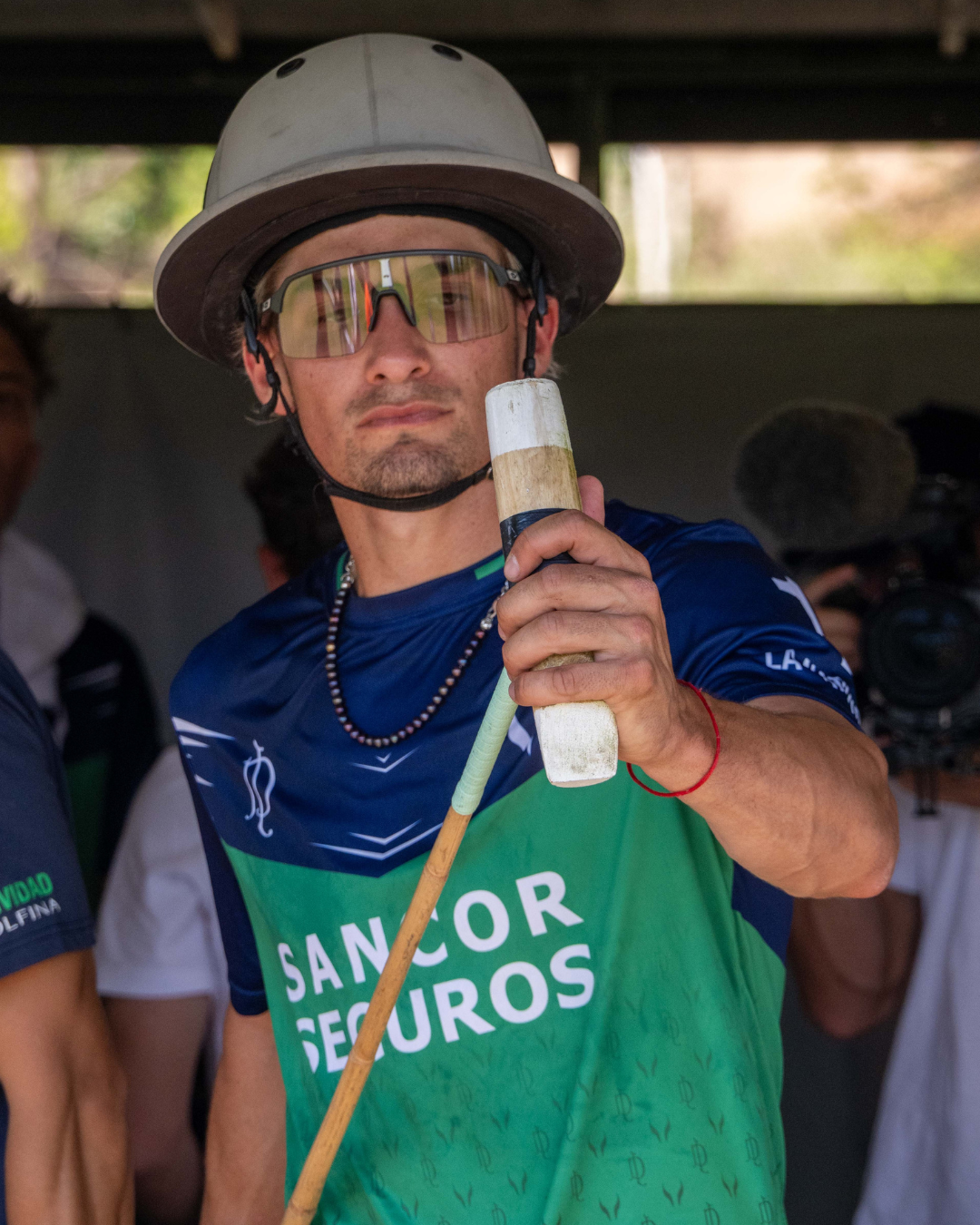
Polo gloves are tools, not accessories. They improve grip on the mallet, reduce friction, and help prevent blisters and hand injuries. A good glove enhances control, precision, and confidence in every shot.
Goggles or protective eyewear also play an important role. They shield the eyes from sun glare, wind, dust, and potential impacts. In a sport where the ball travels at high speed, protecting vision is critical for both safety and performance.
Safety and performance go hand in hand
In polo, protection does not slow a player down. On the contrary, it allows players to compete with intensity and confidence. Knowing the body is properly protected makes it easier to commit to the play, ride into traffic, and perform at the highest level. Injury prevention is just as important as skill, fitness, and horsemanship.
Tradition that continues to evolve
While polo maintains a timeless look, its gear continues to evolve. Modern materials are lighter, stronger, and more technical, adapting to the demands of today’s game while preserving the sport’s heritage. Polo equipment reflects this balance perfectly: tradition respected, performance enhanced, and safety never compromised.
Discover more about the culture, craftsmanship, and performance behind polo by following La Natividad Polo and exploring our collection, inspired by tradition, functionality, and the spirit of Argentine polo.